July 30, 2026
In today's real estate market, homeowners are continuously searching for ways to enhance their property's value and appeal. While pools are often seen as luxury additions, a worn, outdated pool can instead depreciate property value. This article explores the benefits of removing an old pool and how it can potentially increase the market value of a home. By evaluating the costs, benefits, and wider implications of pool removal, homeowners can make informed decisions that optimize their property's appeal. Furthermore, addressing maintenance burdens and aligning with buyer preferences can turn a potential deterrent into a selling advantage.
1. Assessing the Current State of the Pool
1.1 Visual Inspection and Damage Assessment
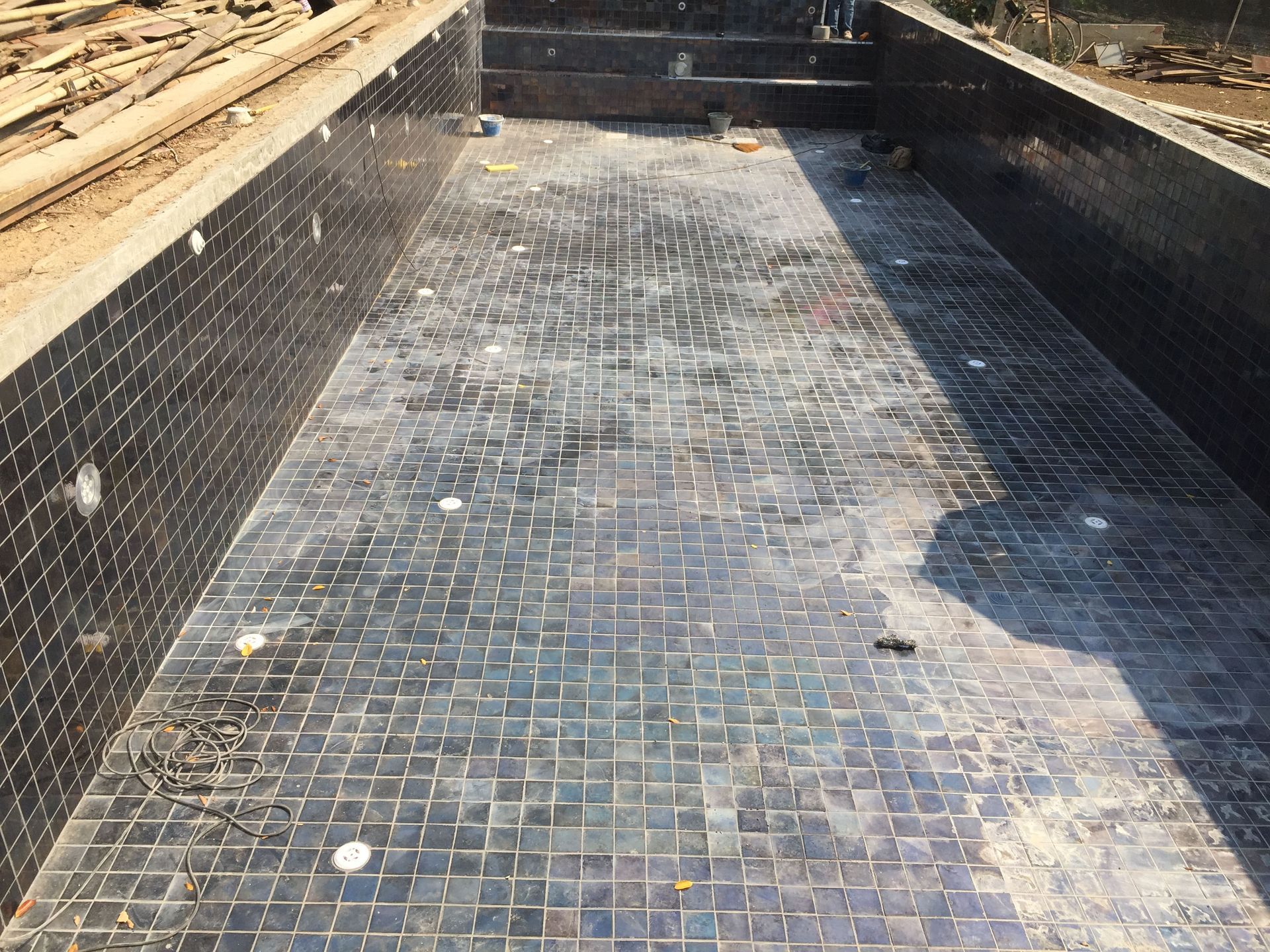
Evaluating the current state of a pool begins with a thorough visual inspection. This involves examining the pool's structural integrity, looking for visible signs of wear such as cracks in the shell, tile degradation, or issues with the pool deck. Additional considerations include checking the efficiency and operation of filtration and pump systems. Recognizing these issues helps homeowners understand the extent of wear and decide whether repairs are justified or if removal is more beneficial. Identifying and addressing these problems ensures homeowners make decisions that align with both their financial and aesthetic goals.
1.2 Estimating Repair Costs versus Removal Costs
Once assessment is conducted, homeowners face the critical decision between repairing the pool or opting for removal. Repair costs can vary significantly depending on the extent of damage, potentially reaching into thousands of dollars for comprehensive overhauls. In contrast, pool removal may offer a more straightforward and often more cost-effective solution, with estimated costs ranging based on size and complexity. By comparing these options, homeowners can determine which investment yields the greatest return, especially if maintenance costs currently outweigh usage benefits. This aspect of financial planning is essential for ensuring long-term property value gains.
1.3 Evaluating Pool Usage and Maintenance Burden
A crucial factor in the decision to remove a pool is its actual usage compared to its maintenance demands. Many homeowners find themselves overwhelmed by the constant upkeep that pools require, including chemical treatments, cleaning, and repairs. If the pool is infrequently used, the associated costs and labor may not justify its presence. By removing an underutilized pool, homeowners can free up financial and time resources for more relevant investments, enhancing overall property satisfaction. This evaluation should consider lifestyle preferences and long-term property goals.
1.4 Understanding Impact on Buyer Perception
Buyer perception plays a significant role in property valuation. An outdated or poorly maintained pool can be perceived as a liability, deterring buyers concerned about the maintenance and repair expenses. Particularly for buyers with young children or pets, the added safety concerns may outweigh any recreational appeal. By addressing these perceptions, homeowners may find that removal increases buyer interest and perceived property value. Appealing to broader buyer sensibilities ensures the home's features align with current market trends and preferences.
2. Financial Considerations of Pool Removal
2.1 Comparative Cost Analysis
Understanding the financial implications of pool removal requires a comparative cost analysis against repair and maintenance. Pool removal typically involves demolition, site clearing, and landscaping costs that could range significantly but often compare favorably against potentially ongoing repair expenses. The long-term maintenance savings from removal further support this investment. Homeowners should also consider the opportunity cost; that is, the potential increase in property value achieved through other upgrades or landscaping enhancements. This financial assessment helps homeowners determine the most prudent allocation of resources.
2.2 Long-term Financial Benefits
Removing a pool can offer substantial long-term financial benefits, particularly as it eliminates continued investment in maintenance tasks such as chemical purchases and equipment repairs. Without these recurring expenses, homeowners free up financial resources for other property improvements. Additionally, the enhanced curb appeal and functionality gained from repurposing pool areas can significantly increase a home's marketability and command higher sale prices. According to Yahoo Finance, landscaping alone can increase a home's resale value by 15-20% on average, indicating the financial advantages of alternative yard enhancements. These factors combined underscore the long-term economic upside of pool removal.
2.3 Potential Increase in Property Value
The decision to remove a pool must consider the potential increase in property value, driven by improved aesthetics and functional space. By replacing an outdated pool with vibrant landscaping or multipurpose areas, homeowners can cater to a broader spectrum of buyer preferences. Enhanced outdoor spaces contribute significantly to the property's appeal, making it more desirable for prospective buyers. This transformation can offset the removal costs through increased property valuation, positioning the home more favorably in competitive real estate markets. Ultimately, enhancing the property's market standing results in both financial and personal benefits.
2.4 Pool Removal Financing Options
For homeowners concerned about the immediate financial outlay of pool removal, exploring various financing options can offer solutions. Many contractors partner with finance companies to permit installment payments, easing upfront cost barriers. Additional financing mechanisms include home equity loans or lines of credit, providing flexible funding solutions that align with homeowners' financial plans. Understanding the terms and impact of these options helps ensure that pool removal remains a viable choice without compromising other financial commitments. Consideration of these options empowers homeowners to take actionable steps aligned with fiscal prudence.
3. Enhancing Usable Yard Space
3.1 Planning a New Landscape Design
An appealing landscape can transform the space formerly occupied by a pool into a beautiful and functional yard area. By consulting landscape architects or designers, homeowners can reimagine this space to create a seamless blend between indoor and outdoor living areas. This might include installing a garden, vibrant plantings, or hardscapes like patios and walkways, that enhance both aesthetic value and usability. The selection of plants and features should consider local climate conditions to ensure sustainability and year-round appeal. Careful planning and execution of landscape design can significantly enhance the property's overall allure.
3.2 Creating a Functional Outdoor Living Area
In today's real estate and lifestyle market, functional outdoor living spaces are increasingly sought after. Removing a pool provides the foundation for creating such spaces, tailored to family's needs and potential buyers' desires. Options include setting up entertainment areas with pergolas, outdoor kitchens, or fire pits, emphasizing luxury and relaxation. These areas enhance the home's livability and cater to social gatherings, boosting enjoyment and satisfaction. By focusing on functionality and comfort, these spaces can dramatically increase appeal and demonstrate versatile environments tailored to lifestyle aspirations.
3.3 Attracting Trends with Multi-purpose Spaces
Contemporary landscaping trends emphasize multi-purpose functionality, perfect for family-driven or community-focused lifestyles. By designing spaces that accommodate play areas, vegetable gardens, or rainwater collection systems, homeowners can create vibrant, sustainable environments. These features attract environmentally-conscious buyers, providing opportunities for experiential interactions with nature. As societal emphasis shifts towards sustainability and health-conscious living, these spaces reflect current trends and expectations. Such transformations not only elevate market appeal but also resonate deeply with contemporary cultural values.
3.4 Including Eco-friendly and Low-maintenance Features
Integrating eco-friendly and low-maintenance elements in landscape design is essential for long-term cost savings and environmental responsibility. Native plantings reduce the need for extensive watering and chemical interventions, fostering sustainable, environmentally respectful practices. Additionally, installing rain gardens or permeable paving can address water management, while solar lighting or smart irrigation systems enhance energy efficiency. These enhancements not only appeal to buyers but also underscore a commitment to sustainability, aligning property features with forward-thinking values. The resulting synergy boosts market appeal, offering genuine advantages over homes without such considerations.
Removing a worn pool presents numerous benefits that can lead to increased home value. From financial savings and improved yard space to enhanced safety and buyer appeal, the decision to remove an old pool can transform a property into a sought-after asset in the real estate market. Be sure to reach out to Pro-Scapes Inc today to learn more about our professional pool removal company!